Summary: A low cost tiny house minimizes carbon footprint, lowers energy consumption, offers off-grid solutions, encourages a minimalist lifestyle, and offers financial freedom.
——————————————————————————————–
Nowadays, more people are considering minimalist living. The low cost tiny house can lead you in the same direction. It can ensure that you can live a more straightforward and purposeful life. Moving to a tiny house not only costs less, but it also requires less maintenance. Reduced overall costs ensure a smaller footprint on the environment. This guide will explore the ways these houses can promote sustainable living.
The Role of Low Cost Tiny Houses in Promoting Sustainable Living
Minimized Carbon Footprint During Construction
You might not know that the environmental impact of a home starts long before you move in. Building a traditional house demands massive amounts of concrete, steel, timber, and other building materials. The result? It can cause habitat destruction and heavy transportation emissions. On the other hand, a tiny house requires a few resources. You can drastically reduce the embodied carbon in your dwelling.
Lower Energy Consumption
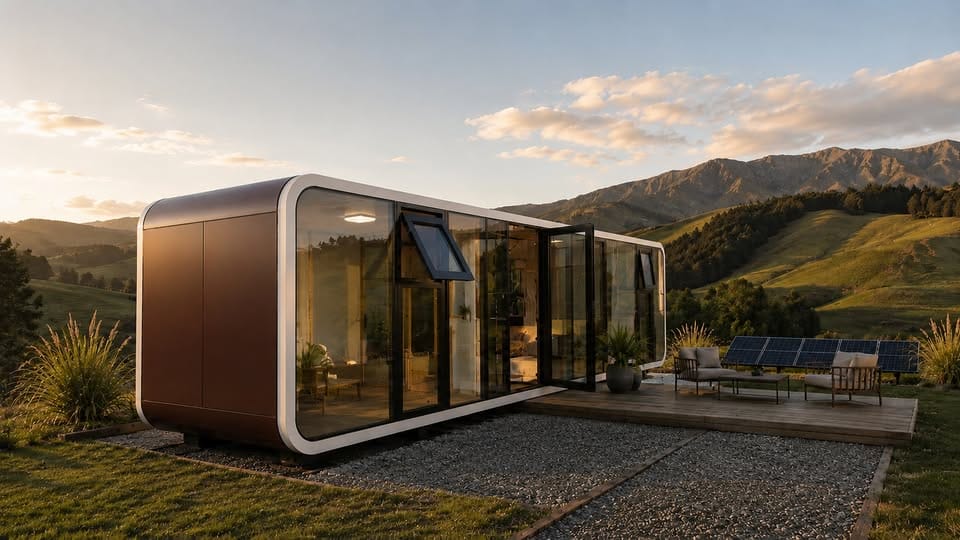
For a heating and cooling system, a standard-sized house uses a bulk of residential energy. In contrast, if you start living in a tiny house, you can reduce the square footage. It means you need far less energy to maintain a comfortable temperature. It will be incredibly easy and affordable to use renewable energy sources like compact roof-mounted solar panels.
Efficient Off-Grid Capabilities
You know that tiny houses are built for ultimate efficiency. You can seamlessly create self-sufficient living systems. You can easily incorporate off-grid energy solutions, such as composting toilets or solar panels. These additions can significantly eliminate your reliance on municipal grids. The result? You can live comfortably while treading lightly on the surrounding local ecosystem.
Encourages a Minimalist Lifestyle
When you live in a small house, you generally get rid of unnecessary material possessions. Tiny living promotes an eco-friendly consumption model where you prioritize experiences over objects. As there is limited storage, you naturally stop buying bulky, single-use, or multiple items. It can lead to less household waste and participating less in mass consumerism.
Financial Freedom
Let’s be real! Sustainability is not just about the environment; it is also about sustaining your own well-being. By choosing the tiny house, you can drastically lower the upfront construction costs and eliminate hefty mortgage payments. This effective approach frees you from long-term financial burdens. The result? You can work less, stress less, and enjoy a higher quality of life.
For living in a tiny house, first define your needs, research local regulations, and consult with us to explore your options. Be ready to plan your tiny home project.